Introduction
When it involves emergency situations, every second matters. One of the most essential abilities any individual can discover is just how to recognize no breathing and respond appropriately. This post delves into the significance of identifying no breathing, the strategies involved, and exactly how they fit into wider emergency treatment procedures. On the planet of fundamental vs sophisticated life assistance, recognizing the initial indicators of respiratory system failing can suggest the difference between life and death.
Recognizing No Breathing: The Primary Step in Emergency Care
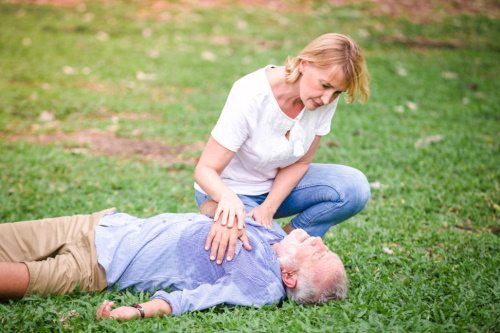
Recognizing no breathing is an important ability that develops the bedrock of efficient emergency situation care. The process starts with checking responsiveness and assessing whether someone displays signs of life. Lots of people think that if a person isn't breathing, they're unconscious or in distress; nonetheless, distinguishing between normal respiration and no breathing calls for training and awareness.
The Significance of Very early Recognition
Identifying an absence of breathing can cause instant action, possibly conserving a life. The brain is highly conscious oxygen deprivation; within minutes, irreversible damage can happen. Hence, early recognition is vital for launching proper intervention strategies.
Signs of No Breathing
- Absence of Movement: Seek breast movements that suggest breathing and exhalation. No Distinct Breath Sounds: Listen very closely; if you listen to nothing after a number of secs, it's time for action. Skin Color Changes: Cyanosis or blue skin around lips and fingertips may show serious oxygen deprivation.
Checking Responsiveness
Before ending that a casualty is not breathing, checking their responsiveness is crucial. Delicately drink their shoulders and scream noisally to see if they respond. An unresponsive person needs immediate assistance.
Basic vs Advanced Life Support
Emergency care can usually be categorized into 2 primary types: basic life support (BLS) and advanced life assistance (ALS). Recognizing the distinction assists responders understand when to rise their actions.
Basic Life Assistance (BLS) Techniques
BLS concentrates on essential strategies such as CPR (Cardiopulmonary Resuscitation) that any individual can do despite previous training. It targets at keeping blood circulation up until professional help arrives.
Advanced Life Support (ALS) Protocols
ALS consists of much more complicated procedures like intubation and medicine management by trained medical workers. Knowing when to transition from BLS to ALS can conserve lives.
Hospital Codes and Protocols
Understanding health center codes is vital for giving efficient emergency care. Each healthcare facility may have its own system in place for calling for aid throughout a crisis.
Common Medical facility Codes
|Code|Suggesting|| ------|----------------------------------|| Blue|Cardiac Arrest|| Red|Fire|| Orange|Dangerous Material Case|
Knowledge of these codes makes sure reliable communication in between lay responders and medical professionals.
Public Defibrillator Usage
Automated Outside Defibrillators (AEDs) are increasingly readily available in public spaces. Understanding just how to operate one might significantly improve survival prices throughout cardiac emergencies.
Steps to Use an AED
Turn on the AED. Apply pads according to diagrams. Follow voice prompts. Ensure nobody touches the individual during shock delivery.BLS Certification: Why It Matters
Obtaining BLS accreditation equips individuals with necessary abilities for reacting efficiently in emergencies. Courses generally cover acknowledging no breathing, performing mouth-to-mouth resuscitation, using AEDs, and various other lifesaving techniques.

Benefits of Being Certified
- Confidence in emergency situations Knowledge regarding upgraded protocols Ability to assist pals or relative in distress
Identifying No Breathing: A Deeper Dive
Understanding just how to determine no breathing entails an organized method:
Assessment Steps
Check responsiveness. Open the airway utilizing head-tilt-chin-lift technique. Look, listen, and really feel for breathing for up to 10 seconds.If there's still no indicator of breath after these steps, initiate mouth-to-mouth resuscitation immediately!
Taking Switches on Compressions
When executing mouth-to-mouth resuscitation with numerous rescuers, it's vital to take turns on compressions:
Why Rotation is Important
Rotating compressors avoids tiredness which might result in inefficient compressions or decreased efficiency over time.
Lower Compression Depth: Why It Matters?
Maintaining correct compression depth during mouth-to-mouth resuscitation is crucial:
- Adult compressions must go to the very least 2 inches deep yet not greater than 2.4 inches. For youngsters, go for regarding 1/3 the depth of their upper body-- approximately 1.5 inches.
Accurate compression deepness makes certain ample blood circulation without causing harm.
Slow Compression Rate: Finding Balance?
While rate issues in mouth-to-mouth resuscitation, keeping an optimal compression price significantly influences performance:
- Aim for a price in between 100-- 120 compressions per minute. Too sluggish ways insufficient circulation; also quick concessions depth.
Finding this equilibrium ultimately enhances survival chances!
Maintaining Composure During Emergencies
During emergency situations, remaining calmness is essential:
Techniques to Preserve Composure
Focus on your breath-- slow inhalations can help reduce anxiety. Stay task-oriented-- focus on actionable steps rather than overwhelming feelings. Keep communication clear-- straight others efficiently without panic-induced chaos.Checking Casualty's Breathing Again After Initial Assessment?
After initiating CPR or utilizing an AED:
Reassess breathing every couple of minutes if possible. Note any adjustments; this info will certainly be beneficial when experts arrive.Regular review guarantees that you readjust your activities based on real-time observations!
Frequently Asked Questions (FAQs)
Q1: What need to I do initially when I think a person isn't breathing?
A1: Examine responsiveness by drinking them gently and yelling loudly prior to examining their breathing patterns further.
Q2: How much time ought to I check for breathing?
A2: Preferably look for approximately 10 Go to the website seconds while checking out upper body motion and listening carefully for breath sounds.
Q3: When ought to I call emergency services?
A3: If you figure out that someone isn't responsive or not breathing usually after your evaluation-- call emergency solutions immediately!
Q4: Can I utilize an AED on anyone?
A4: Yes! AEDs are made for usage on adults and kids alike; simply comply with instructions thoroughly based on age guidelines supplied with each device.
Q5: Exactly how typically ought to rescuers switch functions throughout CPR?
A5: Ideally every 2 minutes; this aids maintain reliable compressions without wearing down staff member CPR Course Wagga Wagga - First Aid Pro also quickly!

Q6: Is BLS accreditation required also if I'm not a healthcare provider?
A6: Definitely! BLS qualification furnishes daily citizens with important abilities needed throughout emergencies-- understanding can conserve lives!
Conclusion
Recognizing no breathing genuinely stands as the initial step in emergency care-- a crucial skill that equips individuals dealing with essential situations daily! Whether you're considering BLS qualification or simply want sensible knowledge suitable throughout unanticipated events-- understanding how to act quickly when confronted with respiratory system failure could mean everything! Bearing in mind these concepts establishes you up not equally as an onlooker but as an active participant prepared to make a difference when it counts most!